This is the introduction to Plot Twist, our weekly culture newsletter, in which correspondents spotlight important authors and performers, and tell you about the works of art and the stories they love -- and the ones they don't.Sign up for Plot Twist. Ted Lasso has had a busy fe
genel
Plot Twist newsletter: How Ted Lasso became more than a TV character
- Kaynak:
- Hindustan Times
- Yayın:
This is the introduction to Plot Twist, our weekly culture newsletter, in which correspondents spotlight important authors and performers, and tell you about the works of art and the stories they love -- and the ones they don't.Sign up for Plot Twist.
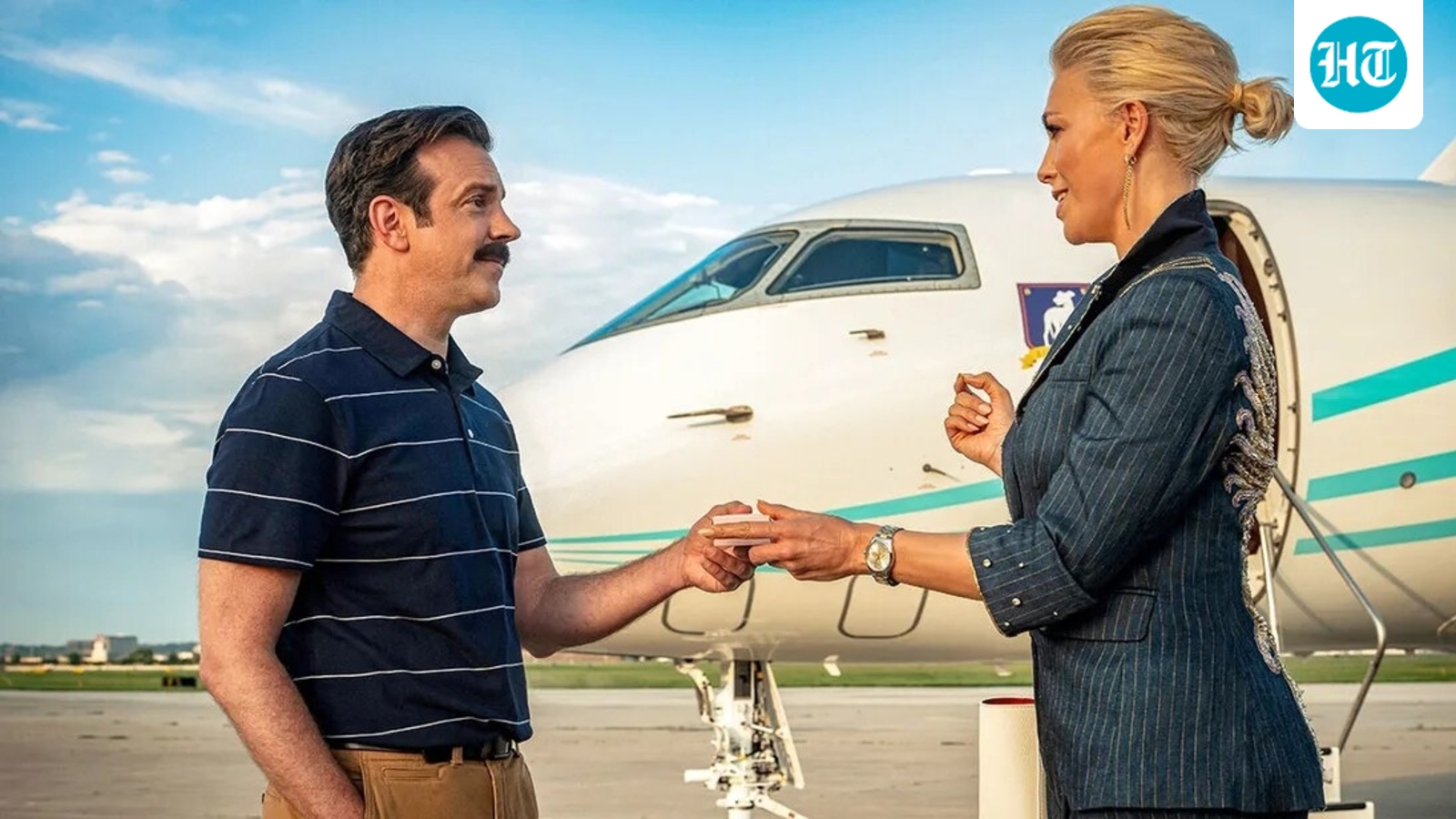
Ted Lasso has had a busy few months. He has appeared in adverts for Visa, a giant payments firm, alongside Erling Haaland, a star Norwegian striker. He featured in the halftime show of the FIFA World Cup, exhorting Justin Bieber to "make us proud". And now he is back for the fourth season of his titular show on Apple TV+. The boundaries between fictional character and public figure have been curiously blurred.
Ted, and his extraordinary popularity, are a product of their times. He made his debut on screen in 2012, in a short video NBC released to advertise its Premier League offering. Many of the character's signature traits were there from the beginning: his thick moustache, Kansas drawl and obliviousness to even the basic rules of football. But this version of Ted was needling, haughty and generally not the sort of person you'd want in the locker room.
"The worst combination of a human man is one that's ignorant and arrogant," declared Jason Sudeikis, the actor behind him. So a few years later, when Mr Sudeikis brought Ted back, he recalibrated his temperament. (The souring of the political mood, and the election of Donald Trump, played a role in his decision.) Ted 2.0 would be warm-hearted, not hectoring. He would be kind, forgiving and fond of rhyming phrases. He would still be ignorant about football, sure, but he would strive to "be curious, not judgmental" about everything in life.
And this version of Ted proved deeply appealing. (In 2023 alone, Americans spent 16.9bn minutes streaming the show.) "Ted Lasso" was hailed as a kind of antidote to the pessimism that was prevailing in much of the West. The protagonist was held up as a model of a different kind of leadership, one that was empathetic rather than domineering. He has even inspired management books such as "Lead It Like Lasso".
As such, Ted has broken the boundaries of the television show to become a cultural symbol in his own right. This is lucky, as the show itself has not exactly been on top form of late. The third season, originally intended to be the last, was such a mess that the creators perhaps felt obliged to bring it back so as not to end with an own goal.
The problem goes beyond clumsy scriptwriting, though. The issue with "Ted Lasso" is that moral exemplars do not always make for the most intriguing protagonists. In the new season, Ted returns to AFC Richmond to manage the nascent women's team. Viewers know he will do right by the players and that he will win over the prickly assistant coach. It makes for television that is worthy, but as bland and predictable as a four-four-two formation.
What do you think of "Ted Lasso"? Are there sunny, optimistic characters you like watching on screen? Write to us at plottwist@economist.com. Thanks to everyone who shared their thoughts on AI writing. Jorge Pinto from Washington says he uses Claude "for composing historical fiction and essays" and has experience refining AI text. "I now reject verbosity, preferring concise output while finding the resulting paragraphs and vocabulary both engaging and stimulating." Mori Keiji from Japan uses AI to communicate with colleagues in America and Germany. It would be interesting "to investigate if English speakers recognise AI writings sent by non-native colleagues," she says.
Kaynak: Hindustan Times. Telif hakkı kaynak yayına aittir; buradaki metin özet/atıftır.
Orijinal haber: https://www.hindustantimes.com/entertainment/plot-twist-newsletter-how-ted-lasso-became-more-than-a-tv-character-101786243335780.html